Image of A. James Global Services website.

A.James Global Services

Driving project clarity with mobile inspections and interactive Gantt dashboards—cutting report cycles in half.

View Live Site

My Role

  • Lead Designer
  • UI/UX Designer
  • Senior Web Developer
  • Project Manager
  • Product Designer

Challenge

Centralized A. James Construction’s project management workflows by migrating dozens of fragmented Excel and Word schedules into a unified, custom SharePoint portal. The solution featured interactive Gantt charts, role-based dashboards, and mobile-friendly on-site inspection tools to improve visibility and coordination across teams. This initiative reduced operational silos, accelerated reporting cycles, and provided field teams with real-time access to project milestones and status updates.

Key Metrics

  • Status-report cycle ↓ 50%
  • Milestone-tracking accuracy ↑35%
  • Field-inspection submissions via mobile ↑ 70%
  • Project-close time ↓ 22%
  • Stakeholder approval time ↓40%

Responsibilities & Resolutions

I served as the primary Designer and Senior Web Developer on a small, cross-functional team responsible for the end-to-end redesign and redevelopment of the A. James Construction website. The initiative focused on modernizing the platform, improving usability and accessibility, and increasing client engagement and traffic.

My responsibilities included leading the full lifecycle of the project—from discovery and design through development, migration, and launch. This involved transitioning the site from Joomla to WordPress, managing scope and budget constraints, and ensuring efficient use of time and resources.

I collaborated directly with the client to gather and structure content, developed wireframes, mockups, and interactive prototypes for review and validation, and leveraged analytics from the legacy website to inform design and content decisions. This analysis helped identify high-traffic pages, user behavior patterns, and top-performing products, which guided prioritization throughout the redesign.

Key issues addressed and solutions implemented included:

  • Established SEO foundations by developing keyword strategies, metadata, and page descriptions.
  • Ensured the redesigned website met Section 508 accessibility standards and best practices.
  • Designed a streamlined one- to two-click navigation structure to reduce user friction.
  • Researched best practices for product presentation and e-commerce usability.
  • Designed optimized product layouts to support clarity and conversion.
  • Improved search engine visibility and overall site performance.
  • Enhanced site navigation and information flow for a more intuitive user experience.
  • Elevated the visual design quality of the website to improve professionalism and clarity.
  • Strengthened brand consistency and visual identity across the digital experience.

A.James Global Services
Brand workshop & wireframe sketches
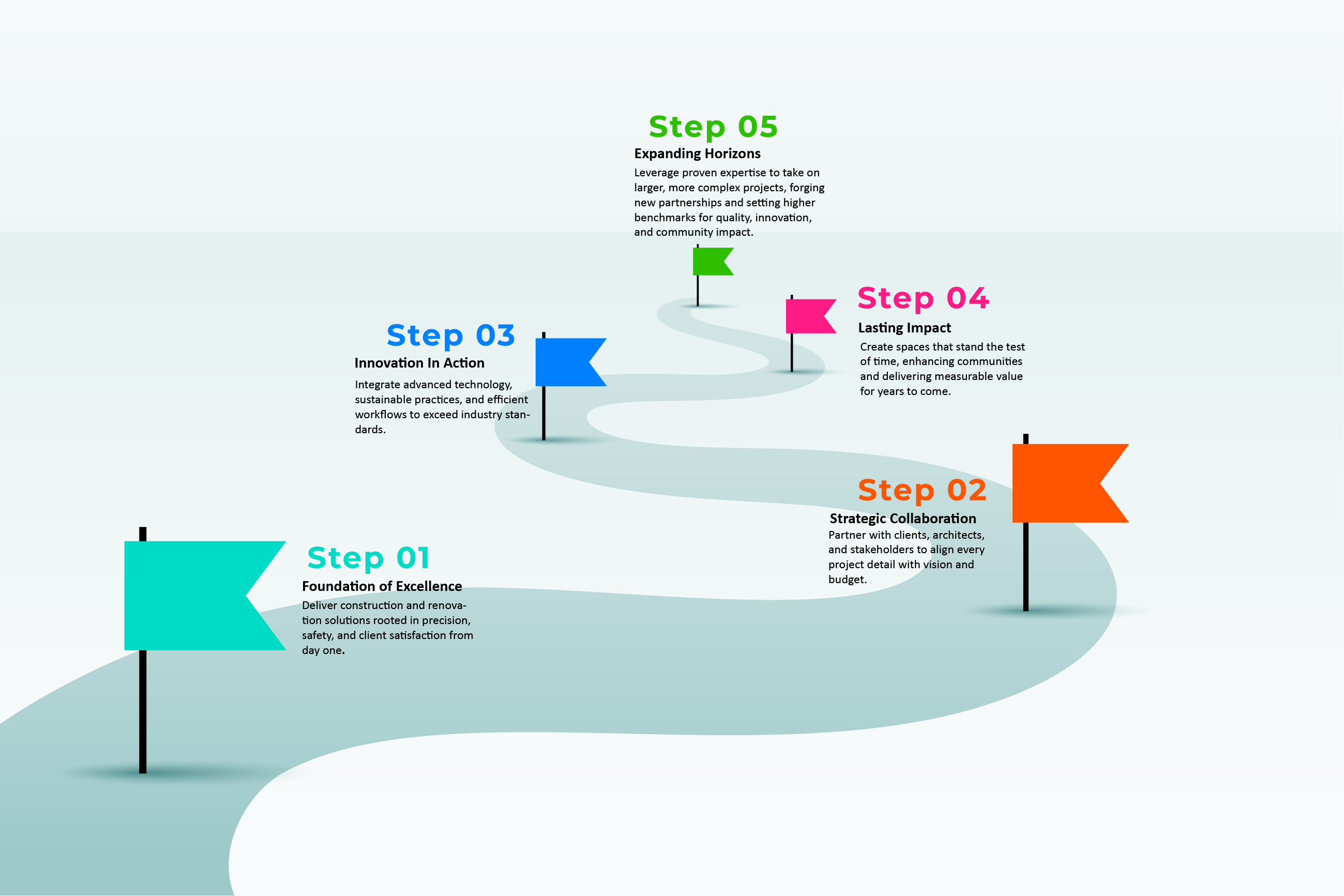
A. James Global Services Journey/Road Map

Research, Planning & Design

During the initial research, planning, and design phase of the company website rebrand, I led a structured discovery and execution process to ensure all stakeholder requirements and business objectives were met. I maintained consistent communication with executive stakeholders to align priorities, manage deliverables, and ensure timely progress throughout the development lifecycle.

  • Facilitated weekly stakeholder meetings to identify pain points within the legacy website and define a clear roadmap for improvement.
  • Conducted SEO research, including keyword strategy and metadata optimization, to support discoverability and search performance.
  • Analyzed user behavior and navigation patterns on the existing site to identify usability gaps and opportunities for improvement.
  • Researched industry and e-commerce best practices to inform product presentation and content structure.
  • Designed optimized product layouts to improve clarity, usability, and conversion potential.
  • Implemented enhancements to improve search engine visibility and overall site performance.
  • Improved site navigation and information flow to create a more intuitive and efficient user experience.

Navigation Through the Eyes of the User

Through in-depth research, usability analysis, and iterative testing, I identified significant navigation and content-discovery challenges impacting the effectiveness of the company website. Users were unable to locate critical information efficiently, and key resources such as PDF documentation were frequently overlooked or underutilized. Additionally, the existing navigation structure lacked clarity and did not adequately support accessibility requirements.

By analyzing user behavior and accessibility barriers, I identified the root causes contributing to poor engagement and usability. Based on these findings, I designed and implemented targeted solutions to improve navigation clarity, accessibility, and content discoverability.

Key Solutions Implemented:

  • Developed a comprehensive site flow diagram to clarify information architecture and user pathways.
  • Redesigned the primary navigation to improve usability and ensure Section 508 accessibility compliance.
  • Increased visibility of high-value links and critical documentation to support user tasks.
  • Improved content organization to make key information easier to locate.
  • Implemented same-window navigation to preserve user context and improve back-button functionality.
  • Introduced breadcrumb navigation to provide clear orientation and faster return paths.

Graphic of site construction and user navigation
User flow & sitemap diagram
Illustration of roadblocks and solutions
Overcoming stakeholder and budget hurdles

Challenges & Hurdles

Throughout the design, development, and rebranding of this website, the project faced several organizational and operational challenges that impacted timelines and delivery. These challenges required careful stakeholder management, adaptability, and problem-solving to ensure the initiative progressed despite constraints.

The project involved multiple teams with differing priorities and levels of alignment regarding the rebrand. In addition, budget limitations and resource constraints required strategic decision-making to deliver the highest-impact solutions within available means. Navigating these complexities required ongoing negotiation, compromise, and iterative planning to move the project to completion.

Key Challenges Faced:

  • Stakeholder misalignment and competing internal prioritie.
  • Limited organizational buy-in for the rebranding initiative.
  • Budget and resource constraints affecting tooling and scope.
  • Insufficient or fragmented content during the redesign process.
  • Resistance to change within existing workflows and processes.

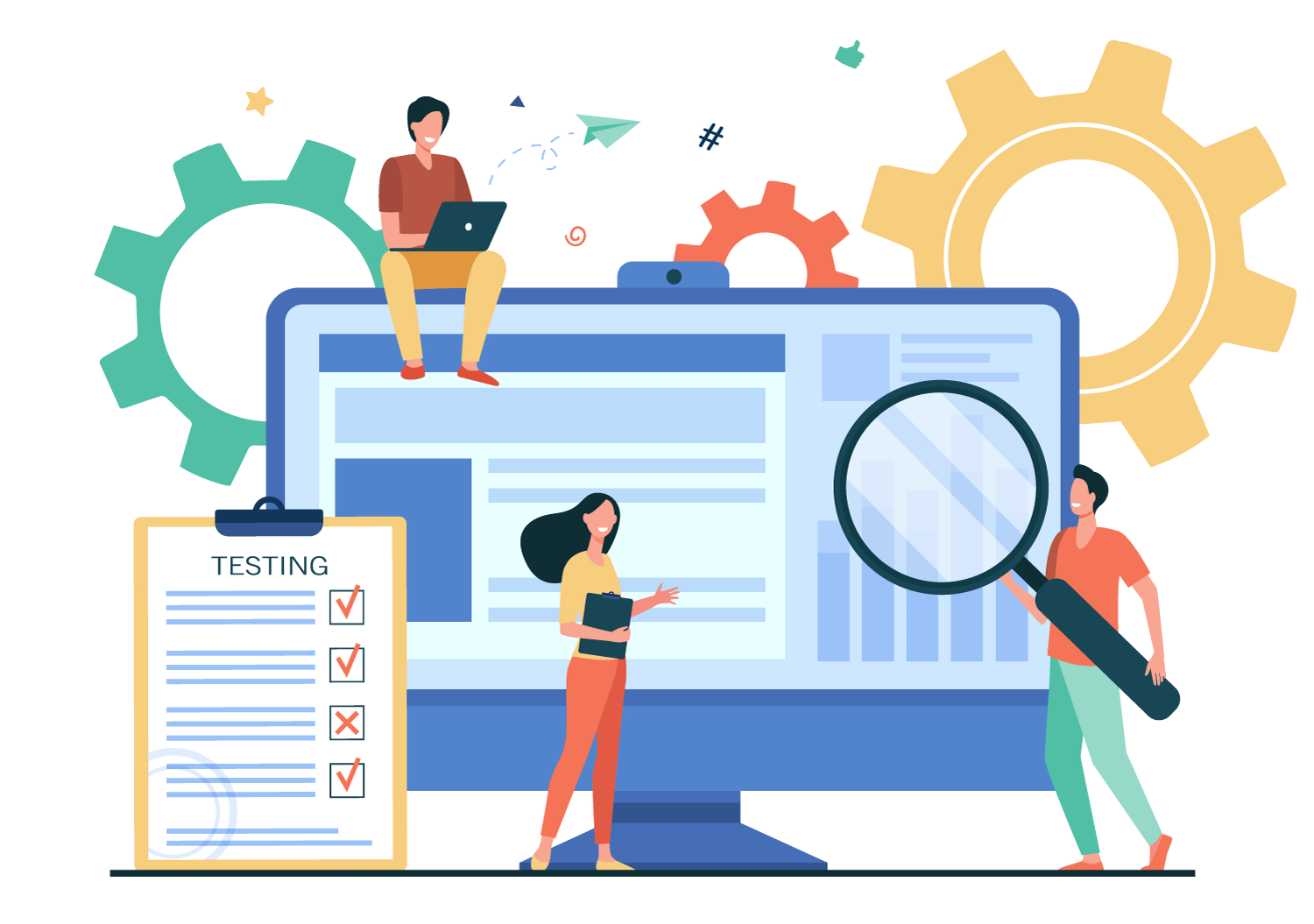
Testing & Quality Assurance

To validate the stability, usability, and performance of the website, I led a structured testing and quality assurance process involving real users across multiple devices and browsers. Participants were asked to interact with the site organically, without predefined instructions, in order to surface genuine usability issues, functional gaps, and edge-case failures.

Testing was conducted across a range of devices and browsers to ensure responsive consistency, cross-browser compatibility, and reliable performance. In addition, end-to-end testing was performed on e-commerce functionality, including product interactions and purchase workflows, to confirm transaction reliability and data integrity.

The results of this testing informed targeted refinements to improve responsiveness, usability, performance, and security prior to launch.

Testing Objectives:

  • Evaluating responsive behavior and layout stability across devices and screen sizes.
  • Identifying opportunities to improve usability, content visibility, and overall site effectiveness.
  • Assessing technical improvements to support search indexing and discoverability.
  • Validating e-commerce functionality, including product interaction and purchase workflows, to ensure error-free transactions.
  • Identifying security considerations to help protect user data and reduce vulnerability to exploitation.

Multidevice QA & usability tests