Character-Led Story
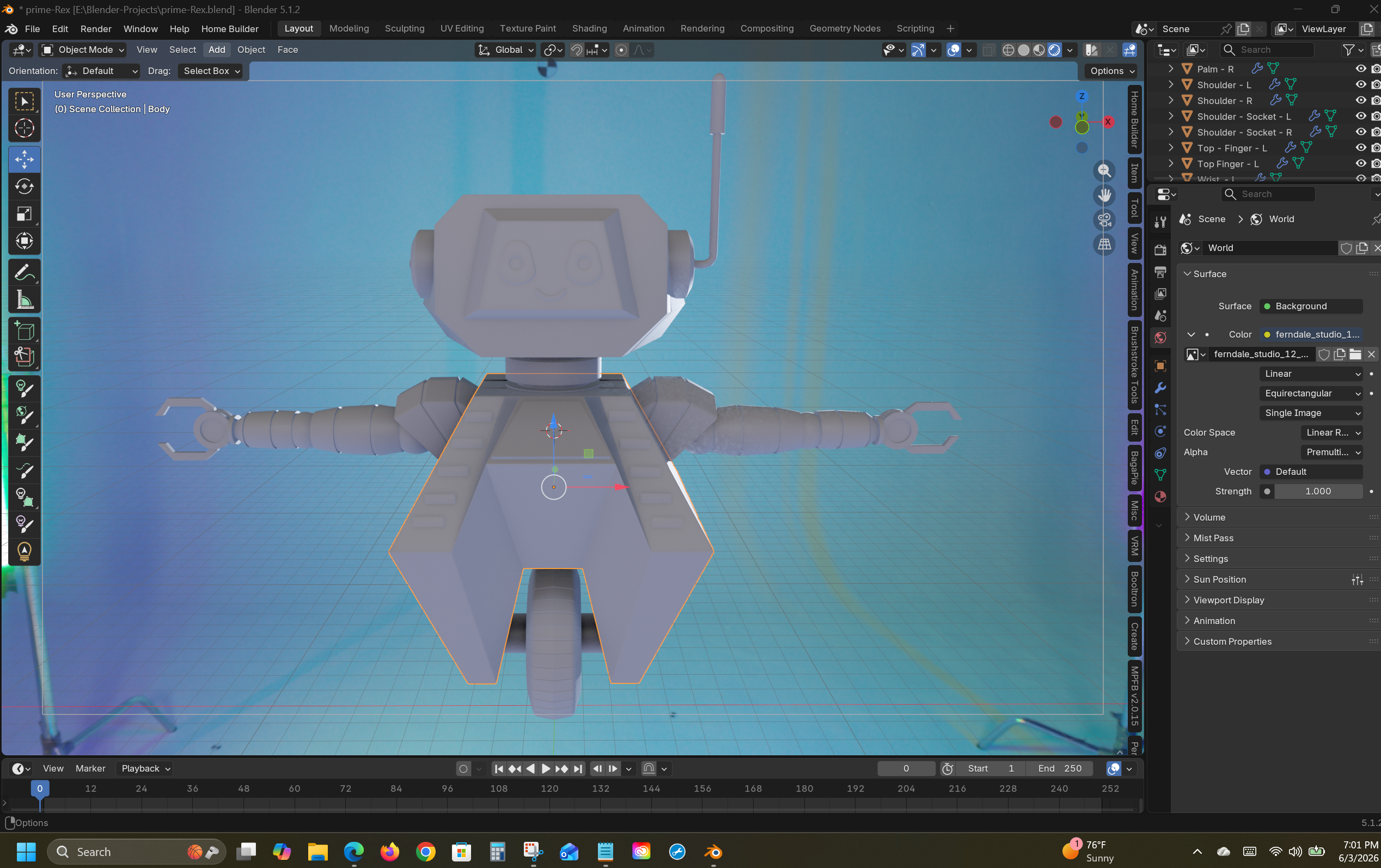
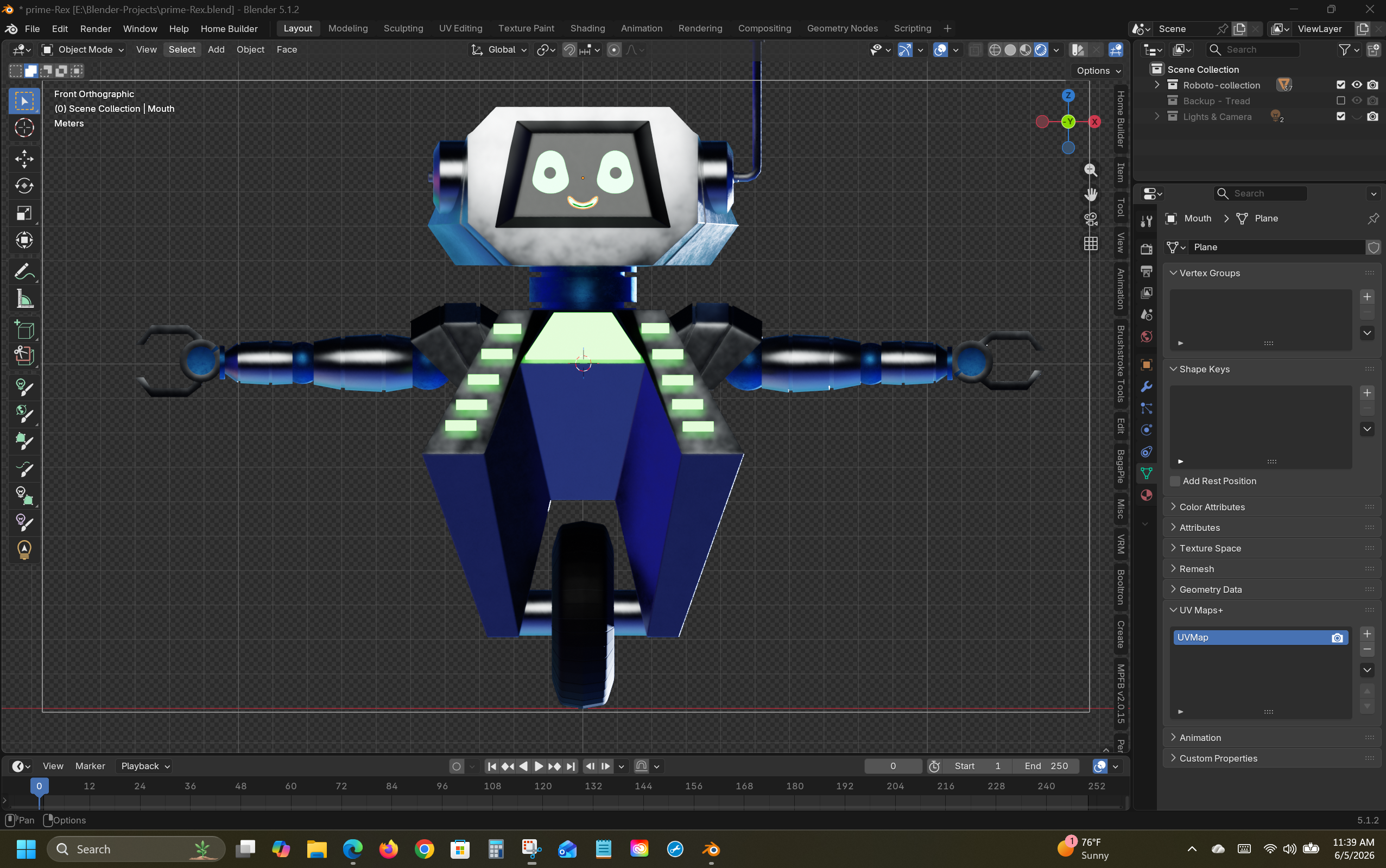
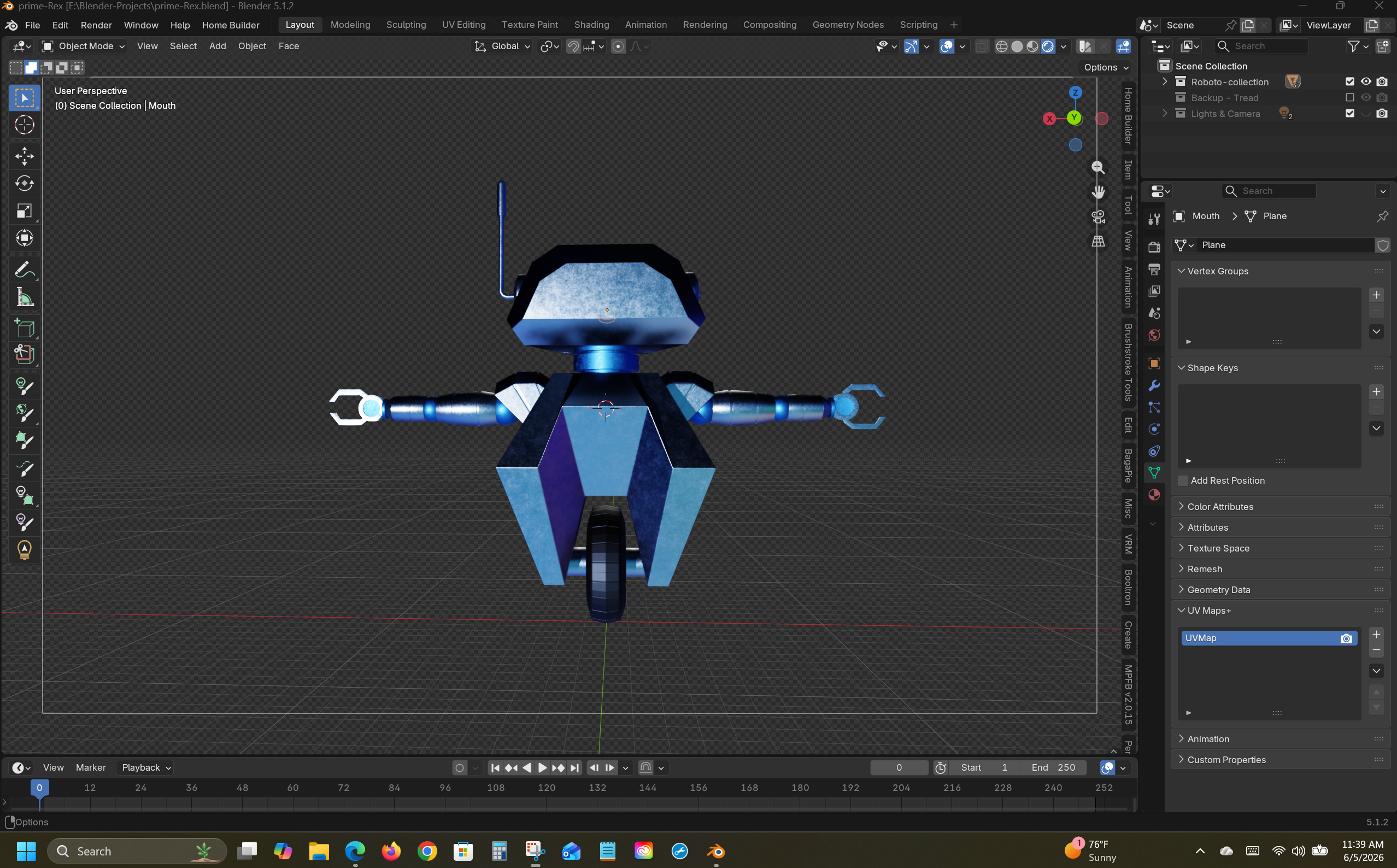
The robot adds personality and movement, helping the scene feel like a small narrative rather than a static product render.
For this Blender-based 3D animation, I created a playful product-style motion concept featuring a robot character and a drink can. The goal was to explore how character animation, product staging, camera movement, lighting, and timing could work together to create a short-form visual sequence with personality, clarity, and entertainment value.
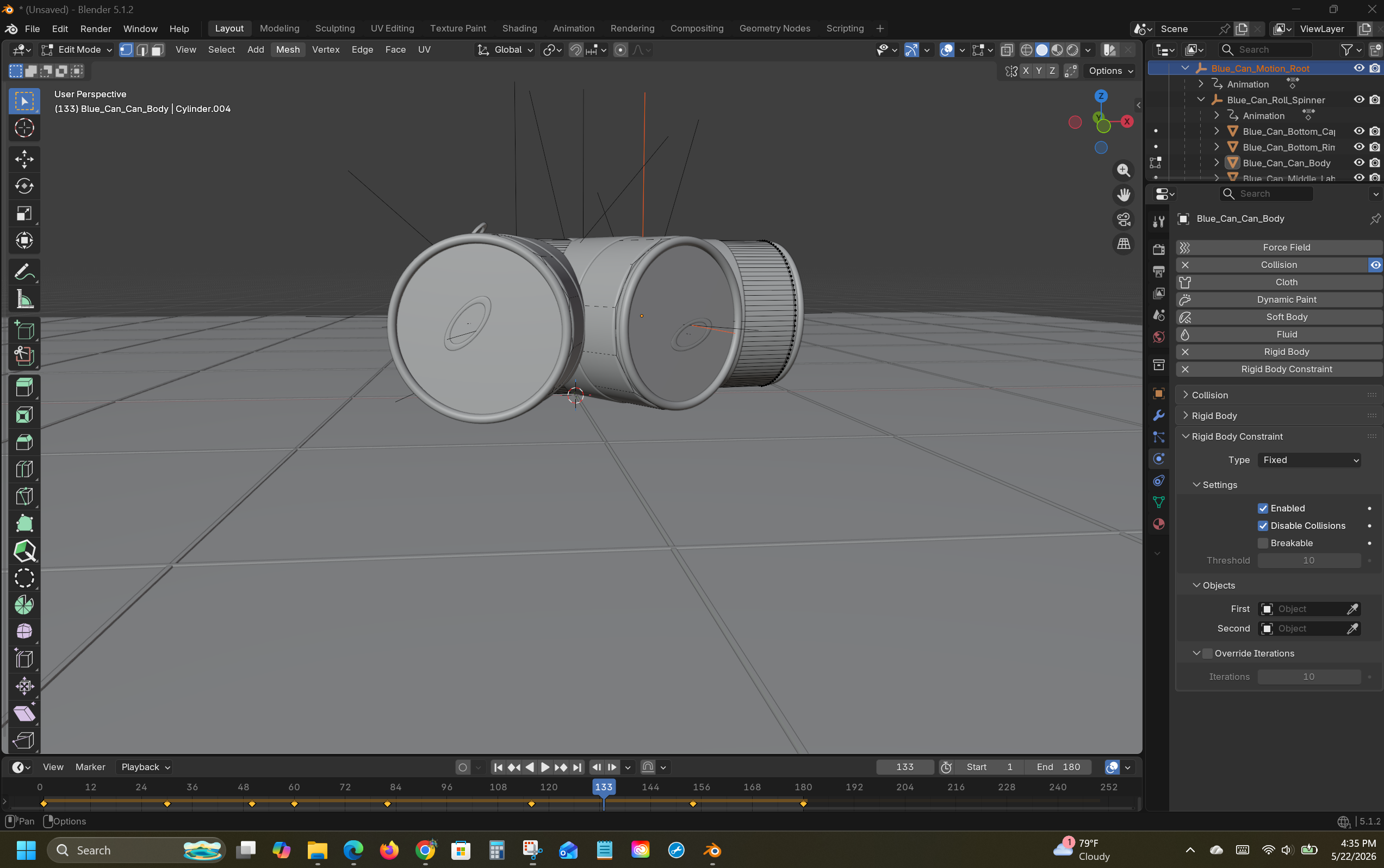
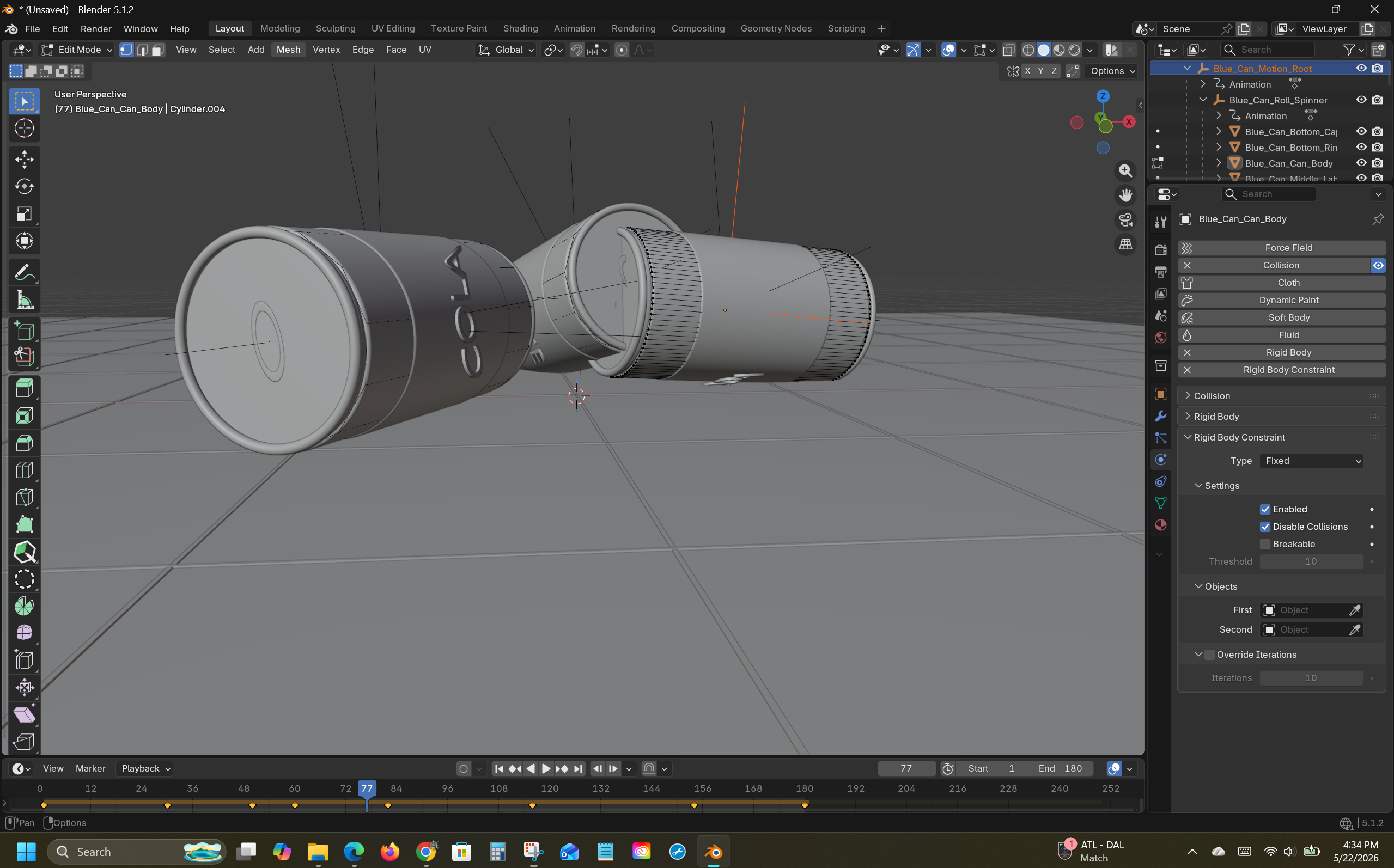
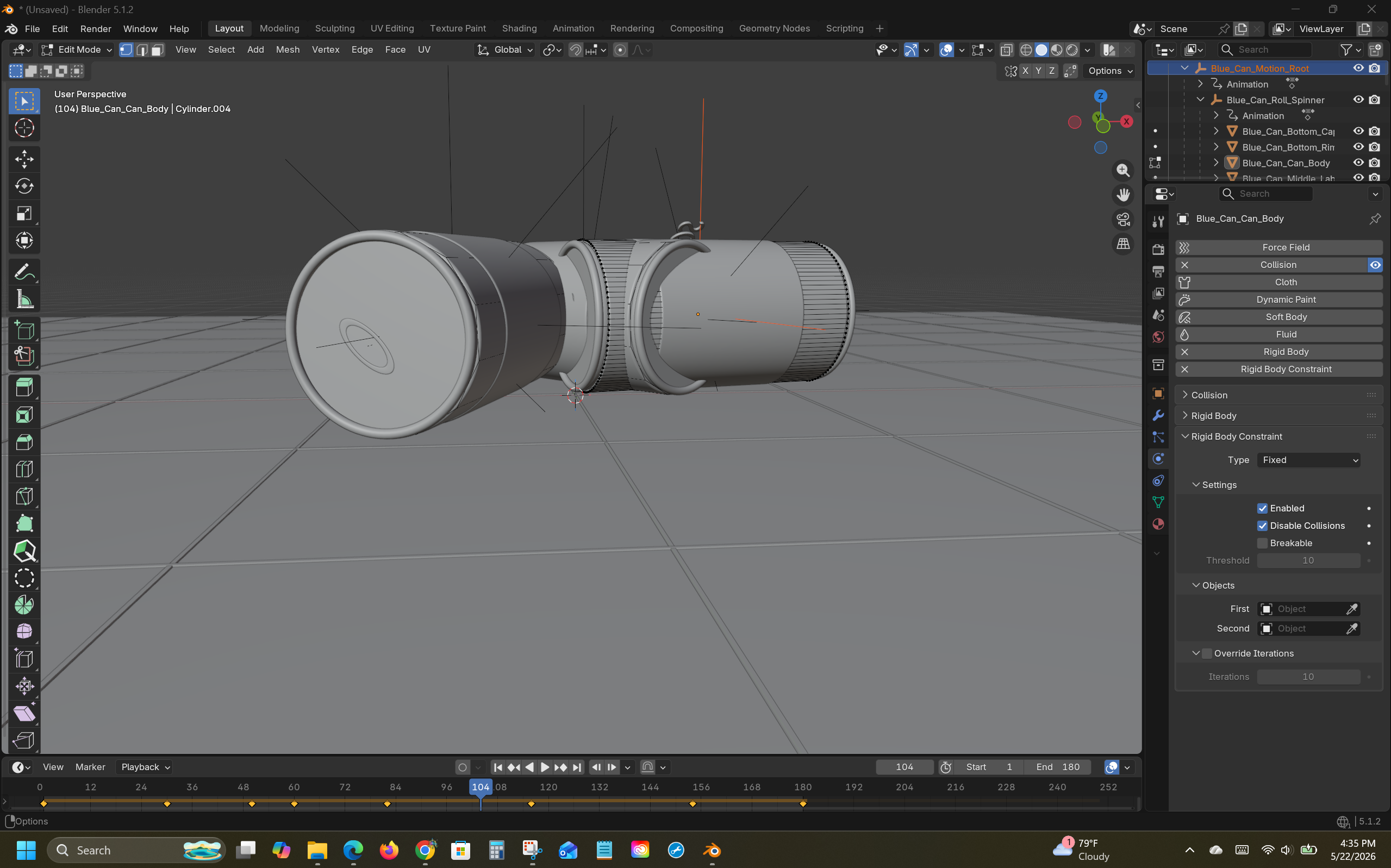
My process started with building the scene concept and defining the relationship between the robot and the product. I treated the drink can as the visual anchor and used the robot character to create movement, curiosity, and story progression. From there, I worked through 3D composition, object placement, material treatment, lighting setup, camera framing, animation timing, and render refinement to make the sequence feel intentional instead of simply animated.
The final animation combines 3D modeling, product-inspired staging, character motion, camera direction, lighting, and scene pacing to create a compact motion piece that demonstrates my ability to build a visual idea from concept through production. The work expands my portfolio beyond static design by showing how I use motion, spatial design, and 3D storytelling to create engaging visual experiences.
The robot adds personality and movement, helping the scene feel like a small narrative rather than a static product render.
The drink can was treated as the visual anchor, with composition, lighting, and camera framing used to keep attention on the product.
Animation pacing, camera movement, and scene transitions were used to create energy, rhythm, and visual engagement.
The concept was built around a simple but visually engaging idea: use a robot character and a drink can to create a short product-style animation with personality. I wanted the piece to feel playful, polished, and easy to understand while still showing technical design ability in 3D space.
The audience for this project includes creative teams, motion design reviewers, recruiters, and hiring managers looking for evidence of visual range beyond flat design. The goal was to show that I can think through composition, motion, lighting, spatial hierarchy, and storytelling within a 3D workflow.
The creative direction centered on making the animation feel like a playful product moment. I approached the scene with a design-first mindset by defining the visual hierarchy before finalizing motion: the drink can needed to read as the primary object, while the robot provided energy, character, and interaction.
I used staging, camera angles, lighting, and timing to guide attention through the sequence. The robot’s placement and movement were designed to support the product rather than compete with it. Lighting and material choices helped separate the main subjects from the background, while camera framing created a more polished, cinematic presentation.
I built the scene around a clear object relationship: character plus product. This required organizing the model placement, scale, surface relationships, and visual spacing so the scene felt balanced and readable from the camera’s point of view.
Motion design was a key part of the piece. I used timing, movement, and camera direction to create a stronger sense of rhythm. The animation needed to feel energetic, but still controlled enough for the viewer to follow the robot, the can, and the main visual moment.
The final animation demonstrates how I use 3D design as an extension of visual storytelling. The piece shows my ability to build a scene, stage a product-style subject, create a character-driven moment, and use motion, lighting, camera work, and timing to make the final video feel engaging.
From a portfolio standpoint, the value is that this project adds dimensional range to my design work. It shows that I can move beyond static layouts and create animated 3D visuals that combine art direction, spatial composition, motion design, and production execution.
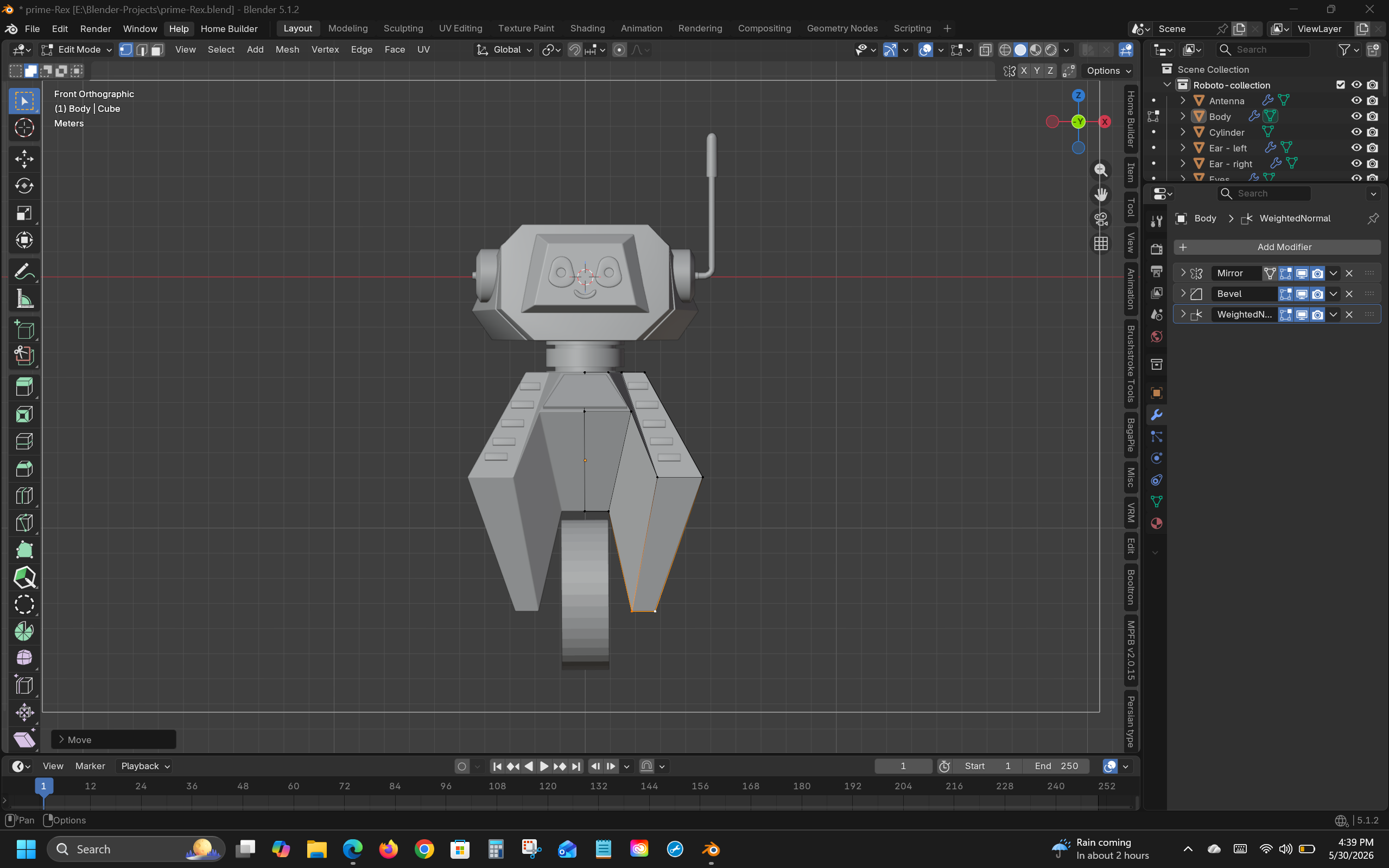
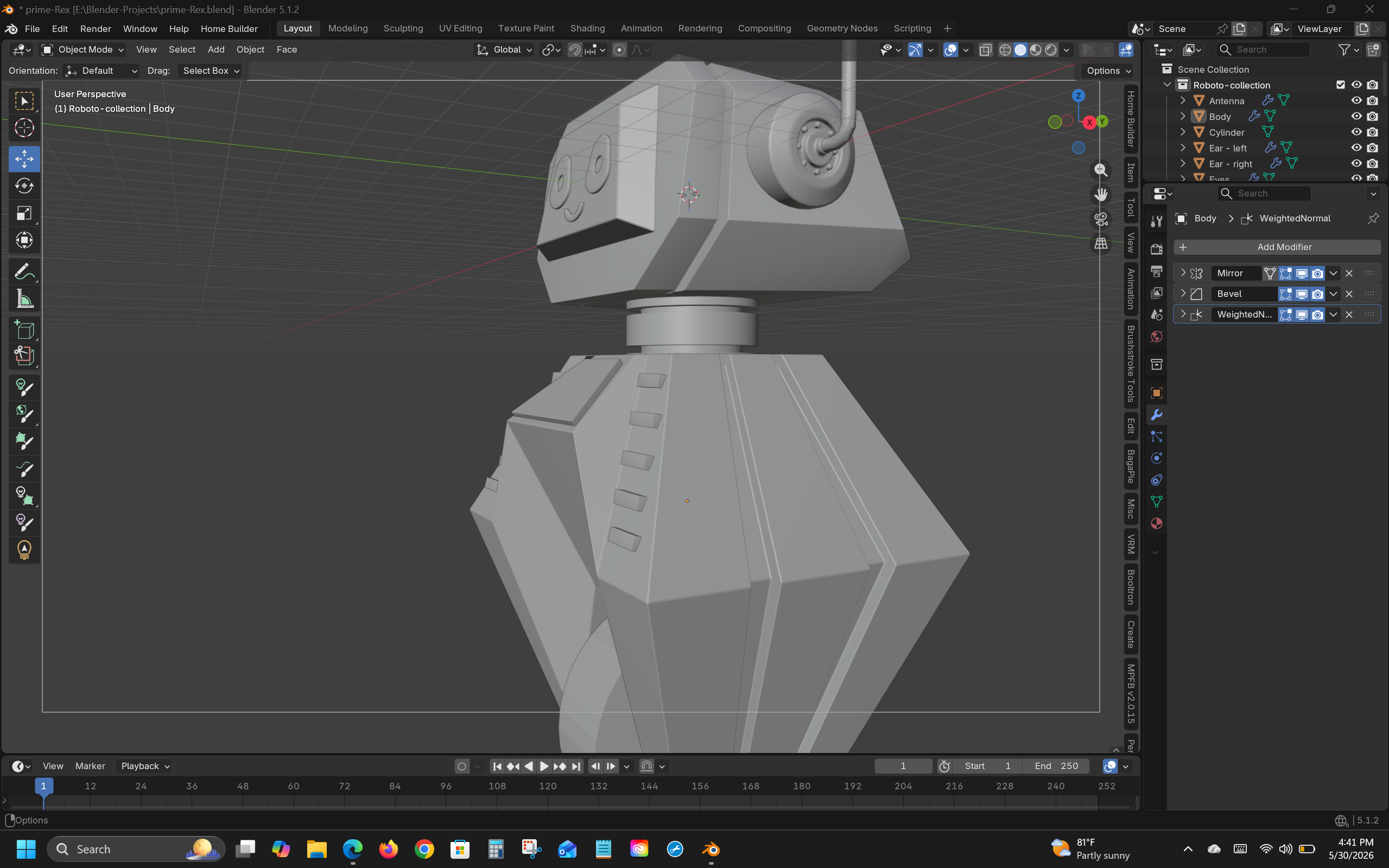
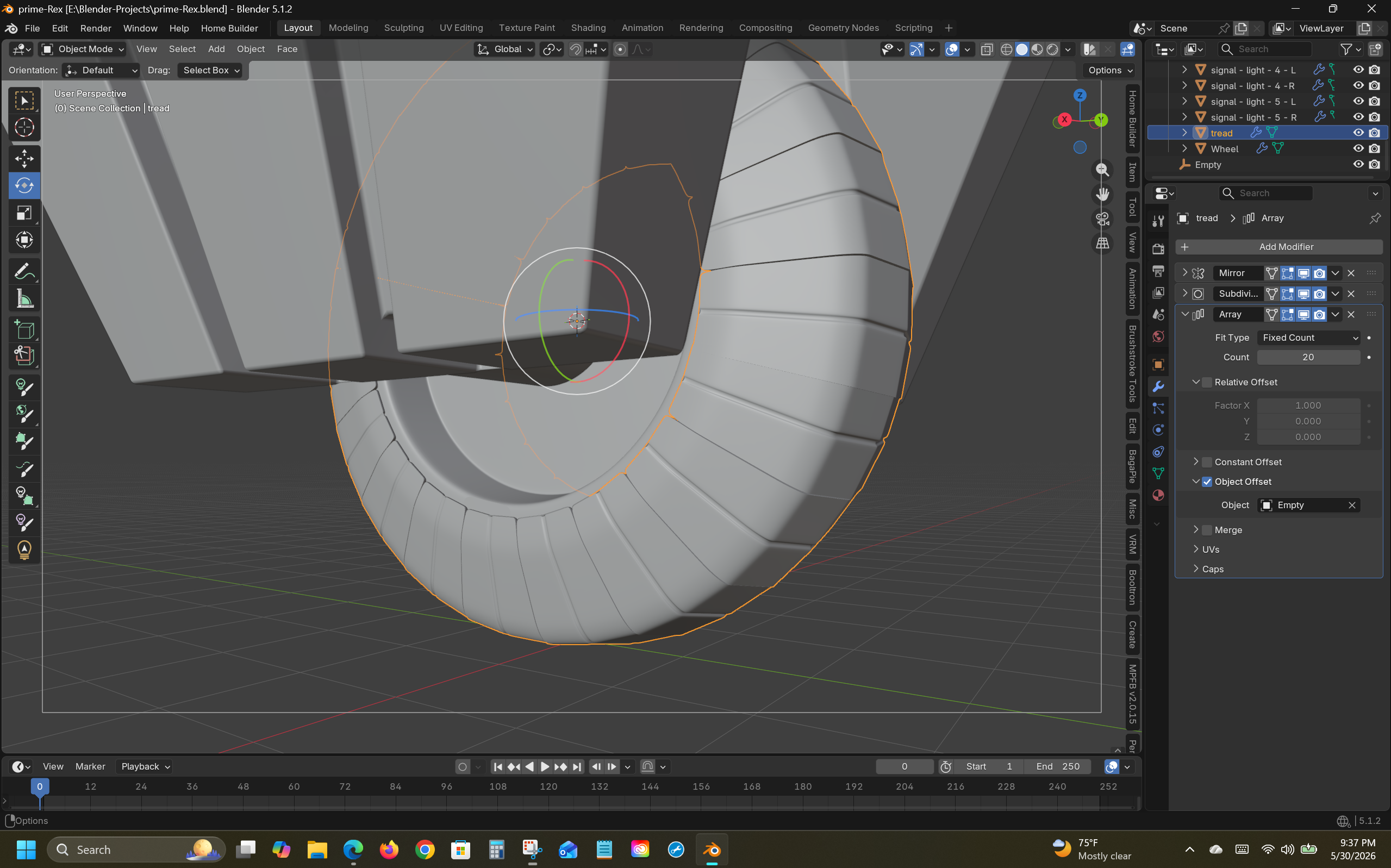
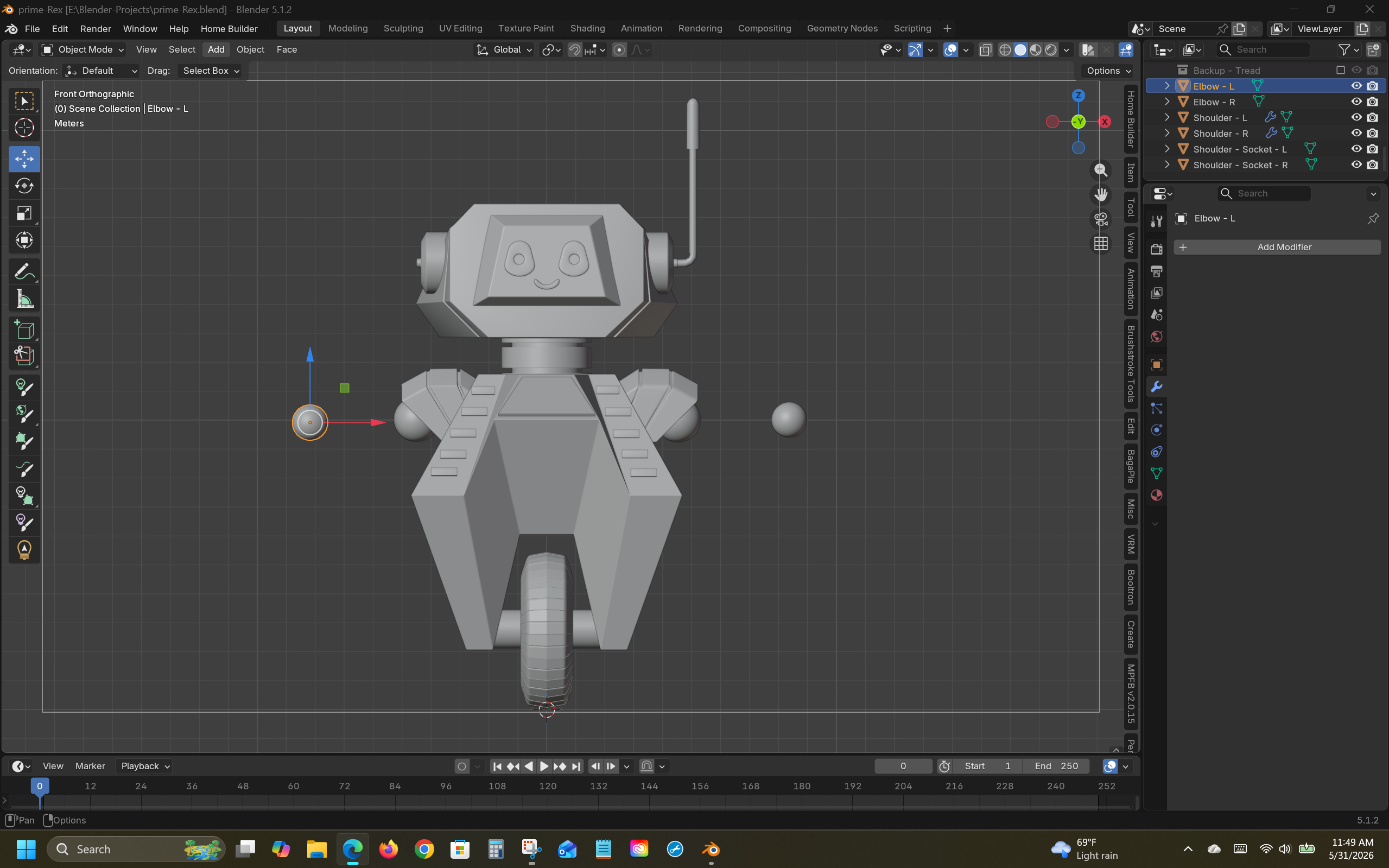
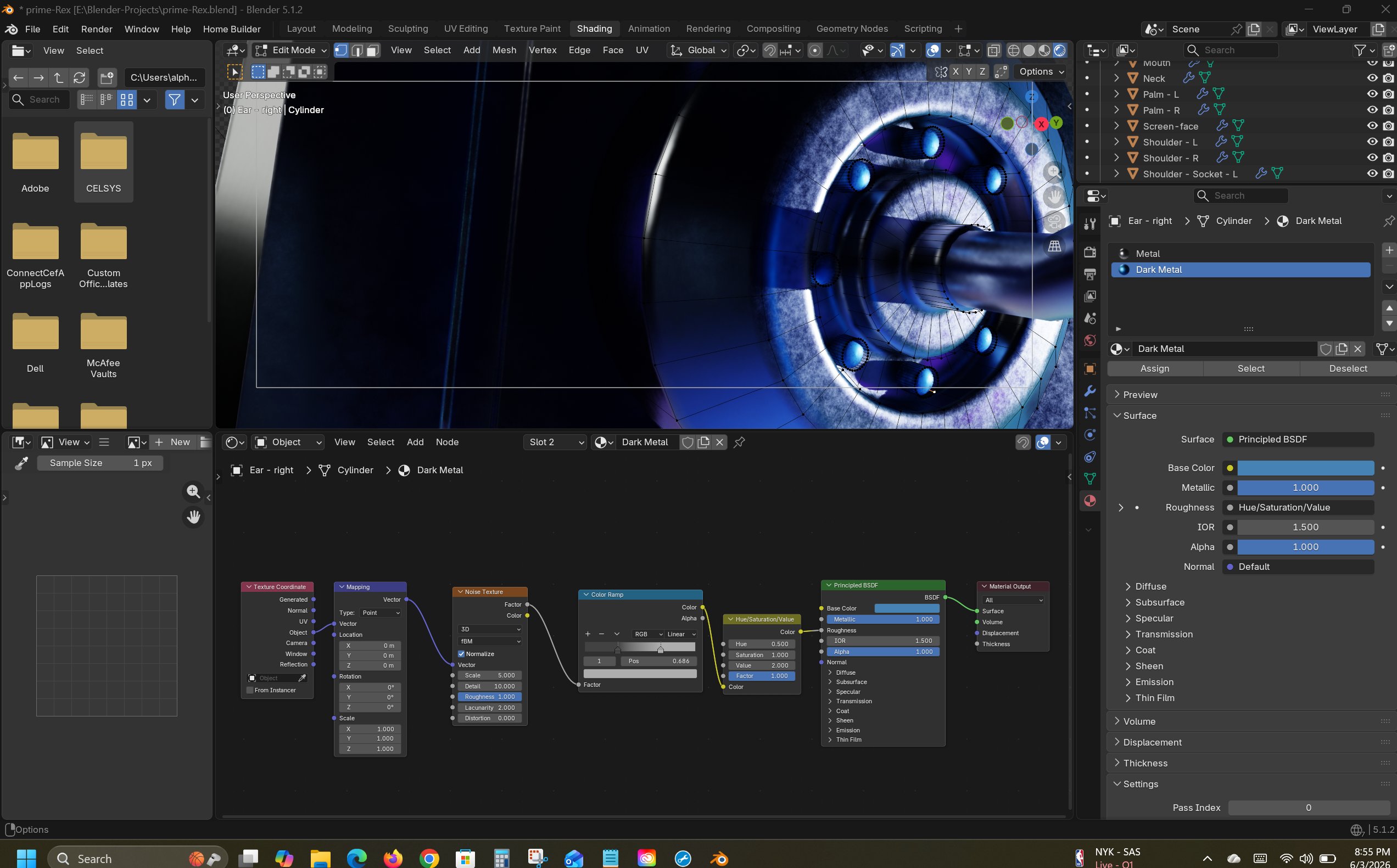
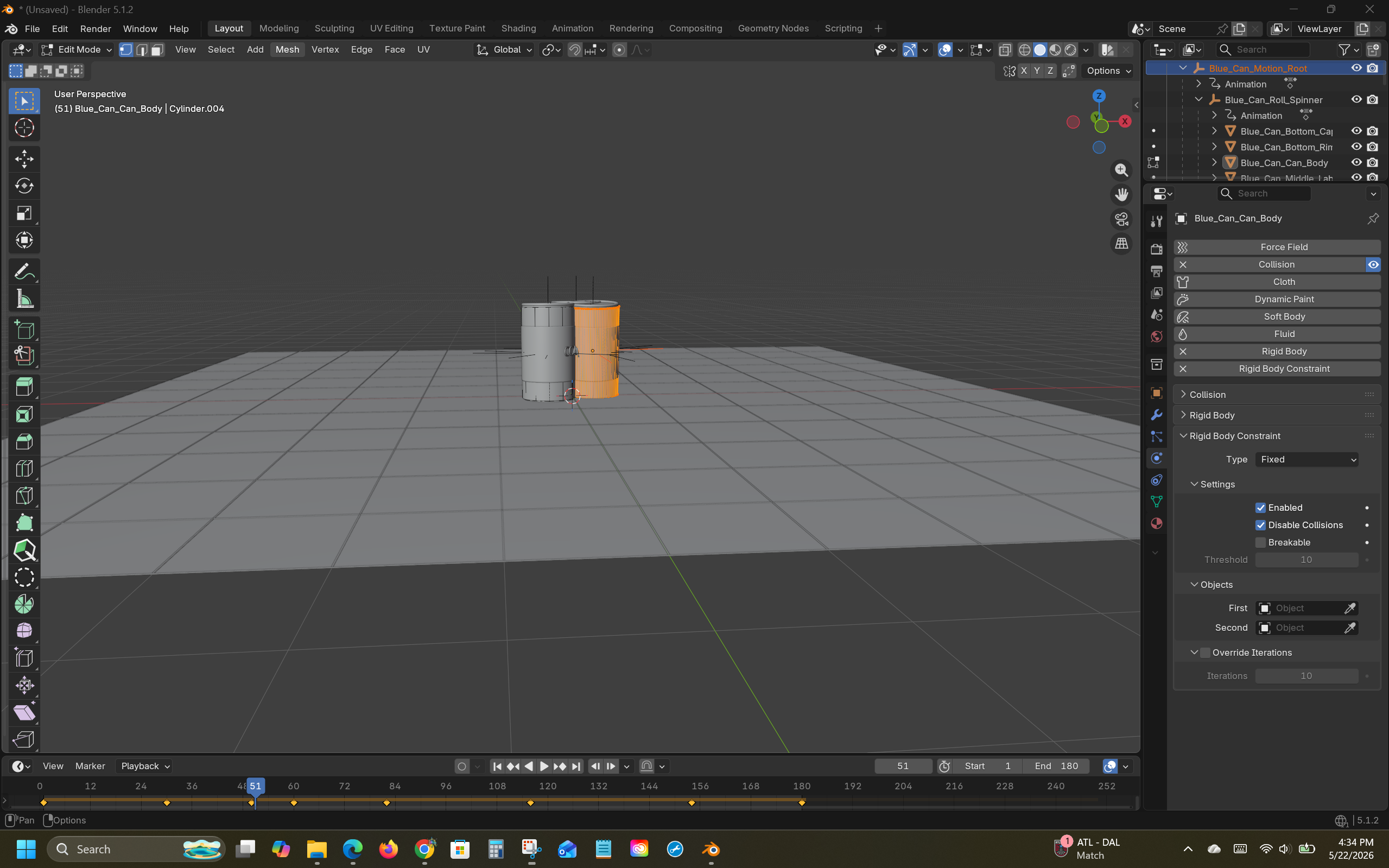
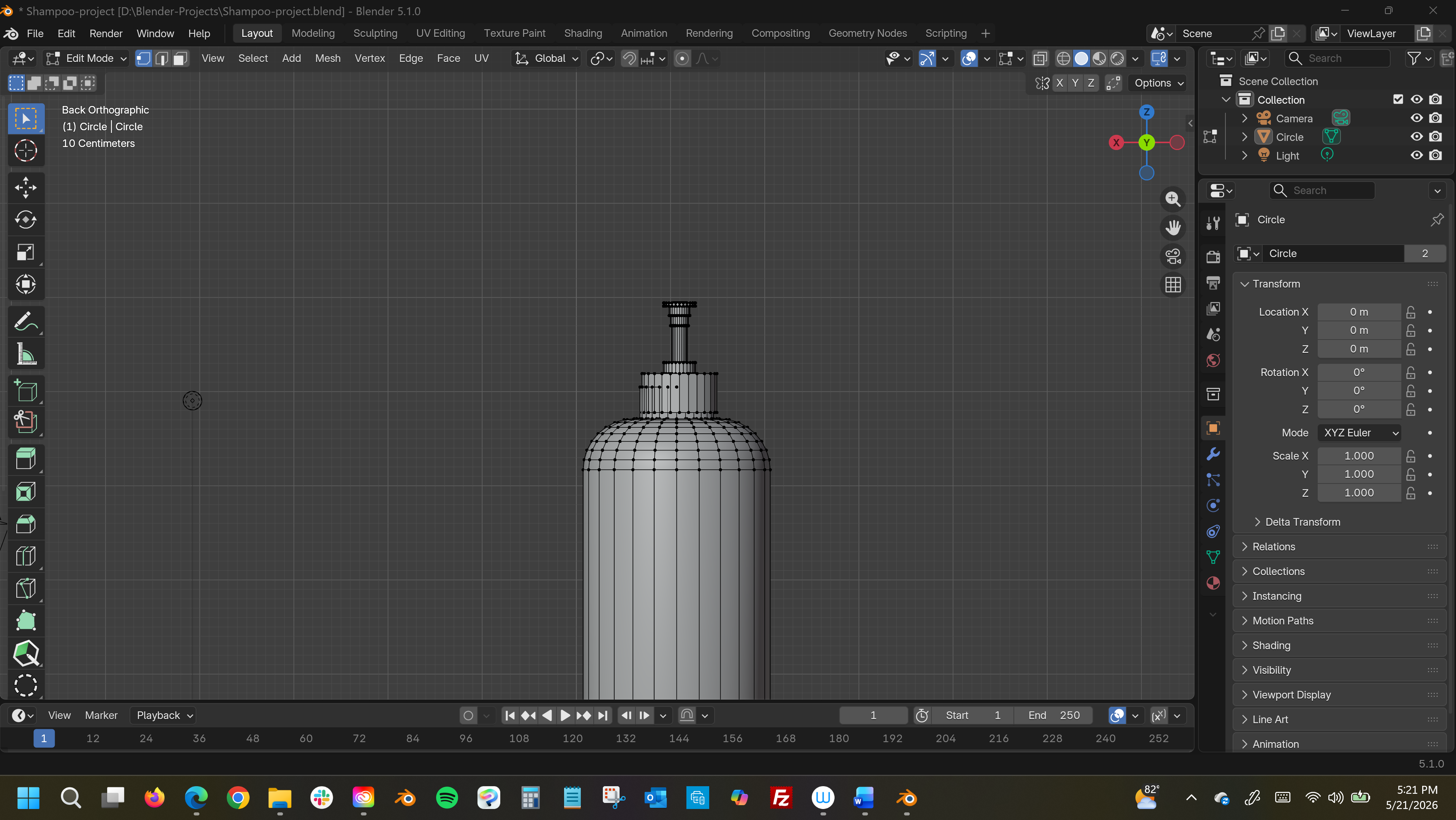
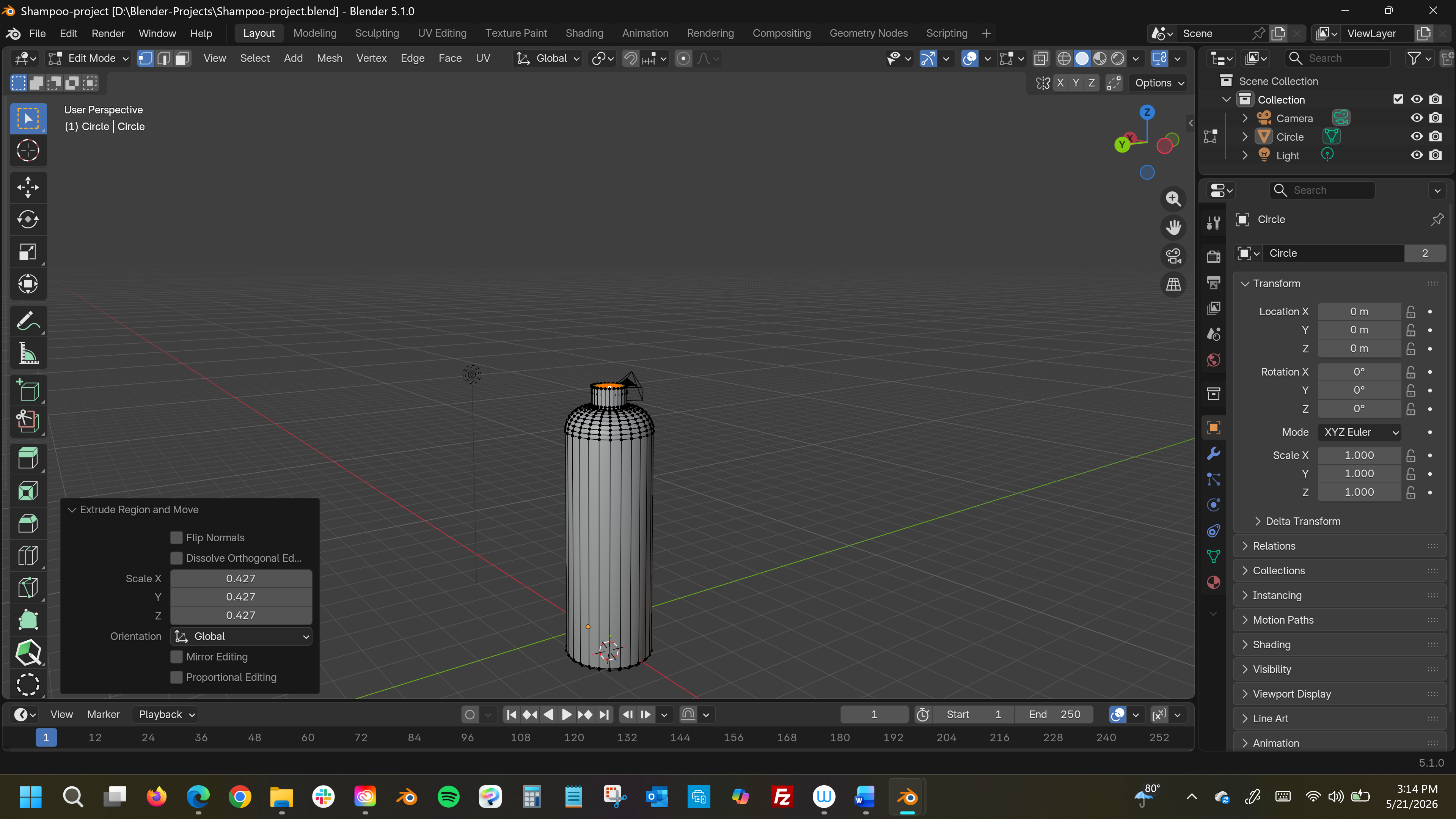
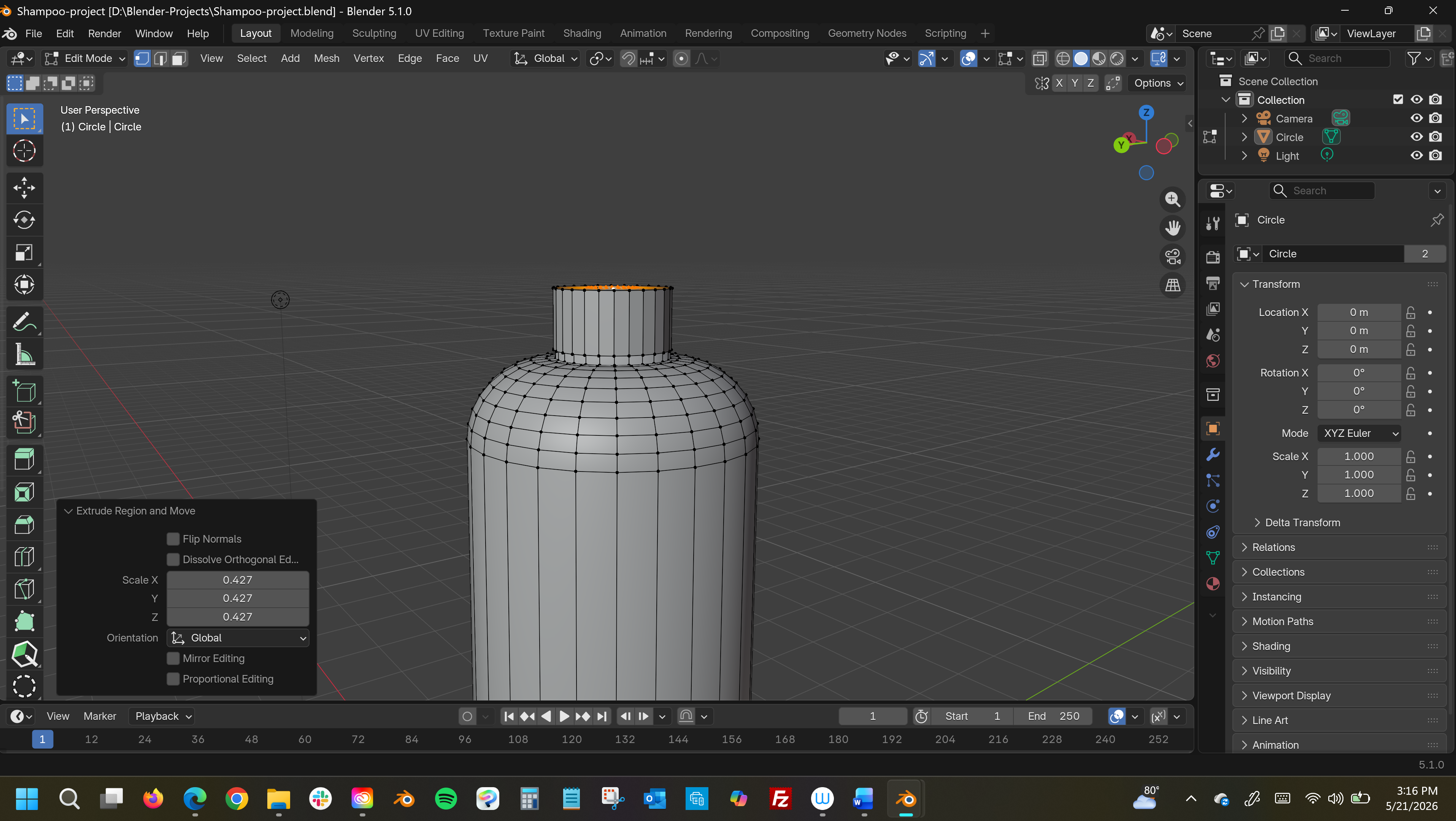
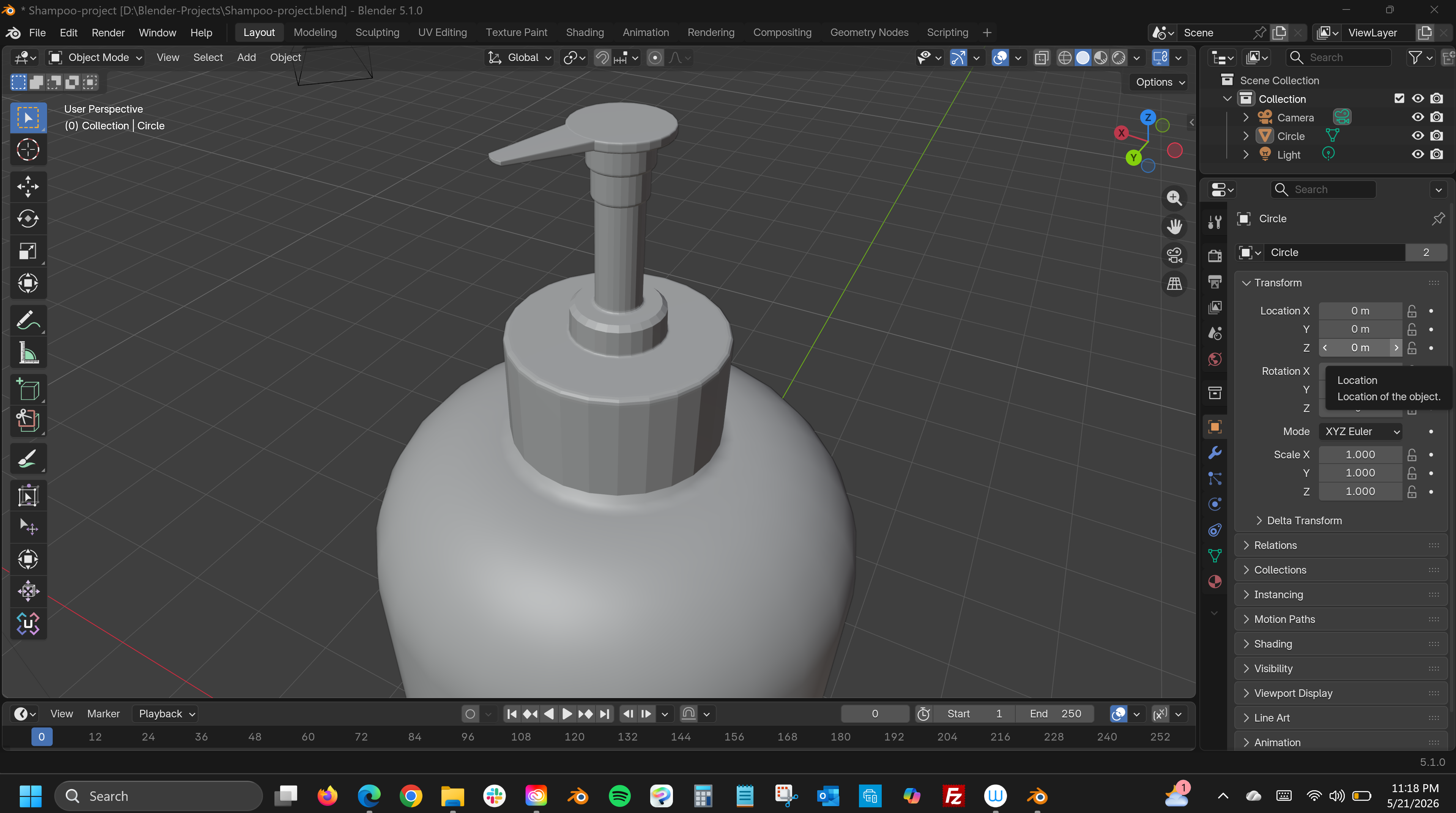
This grid is designed to show the development of the 3D piece through still frames, modeling views, lighting tests, camera angles, material exploration, and final render moments.