Structured Publication System
Consistent page architecture helped organize strategy content, principles, objectives, annex sections, and supporting details.

For CDC’s global COVID-19 response communications, I supported the design and production of a strategy publication and companion fact sheets that translated complex global-health priorities, response principles, funding information, and technical focus areas into clear, structured, and accessible visual materials.
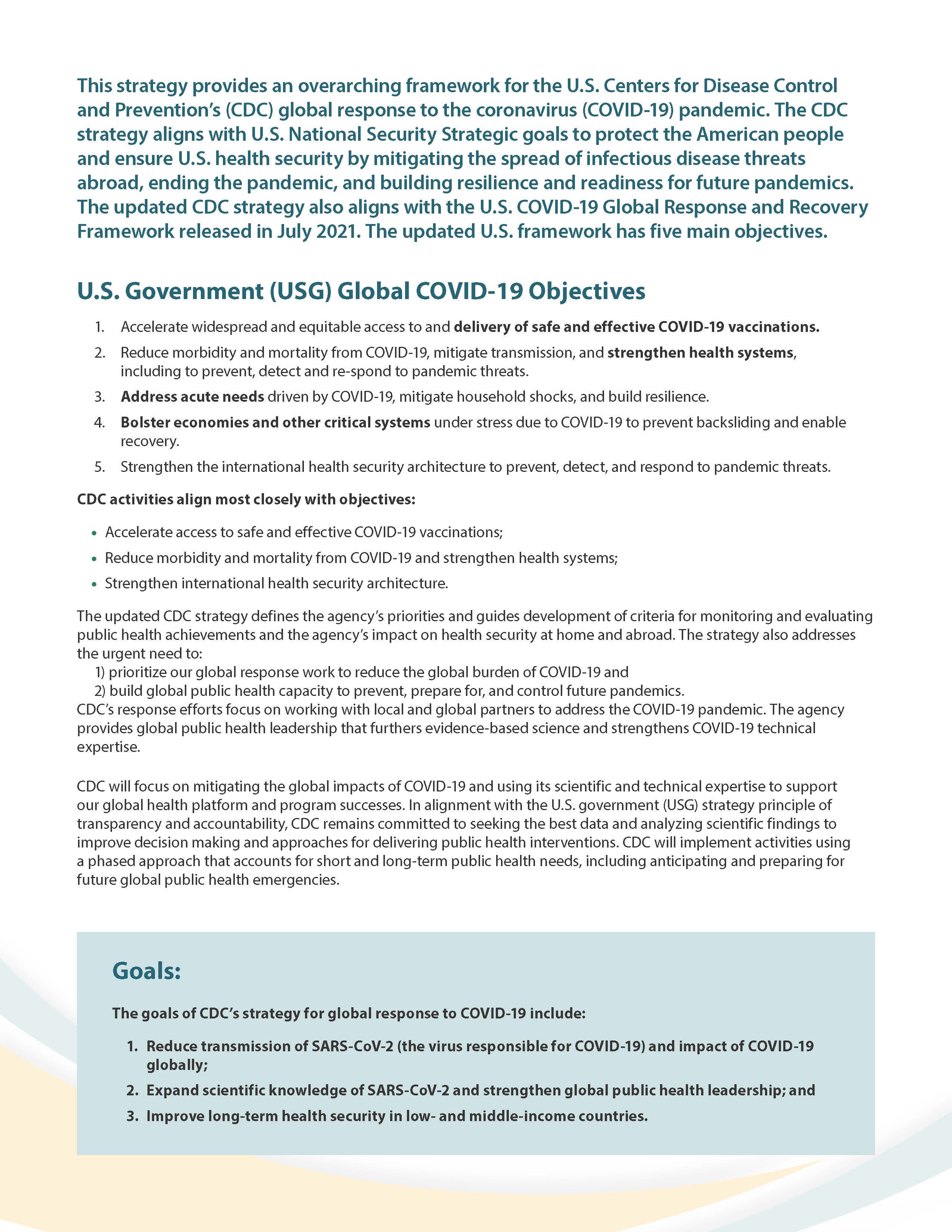
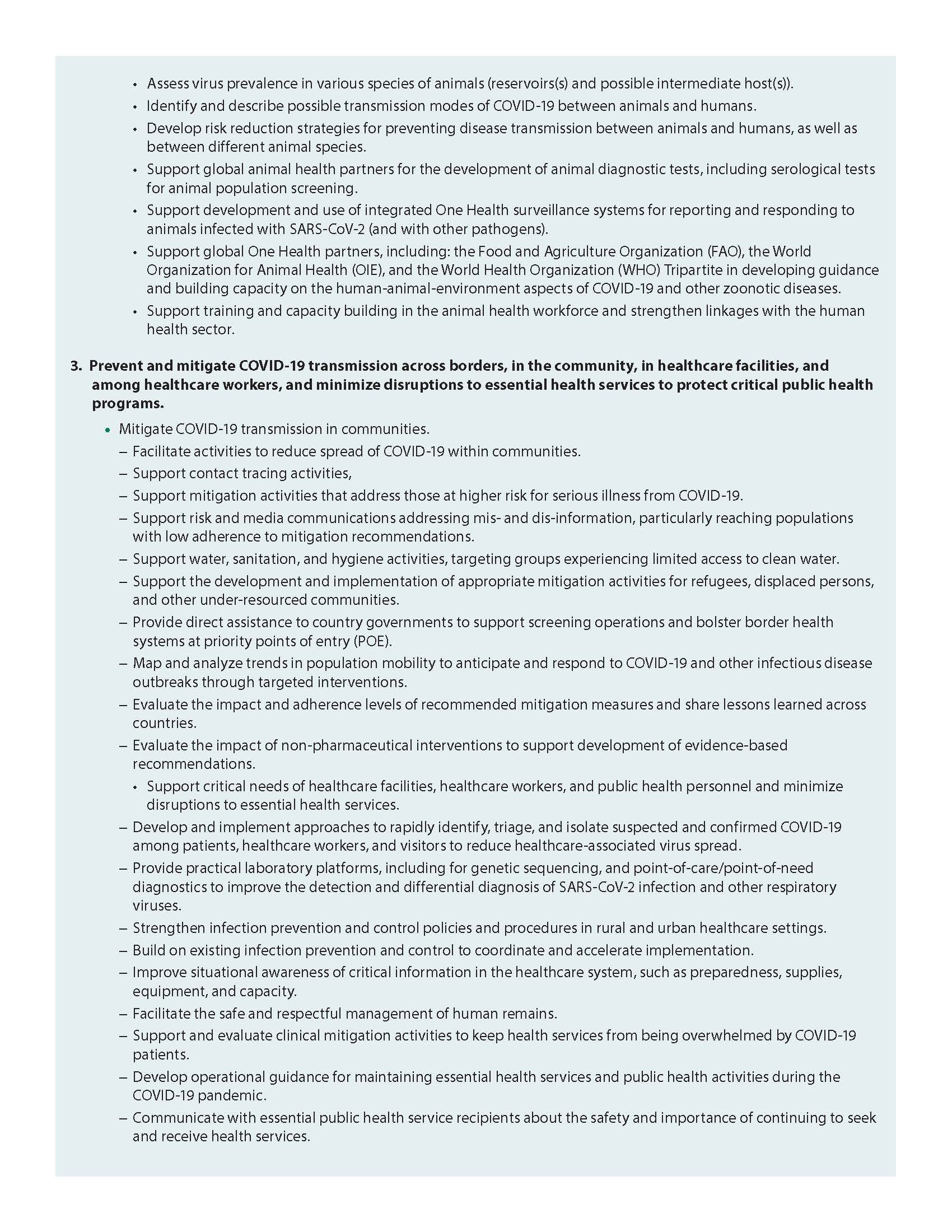
My work focused on creating a publication system that could support both deep reading and fast reference. I helped structure dense policy-forward content through consistent typography, modular page layouts, section hierarchy, spacing, and repeatable content patterns so readers could move through the document without losing context.
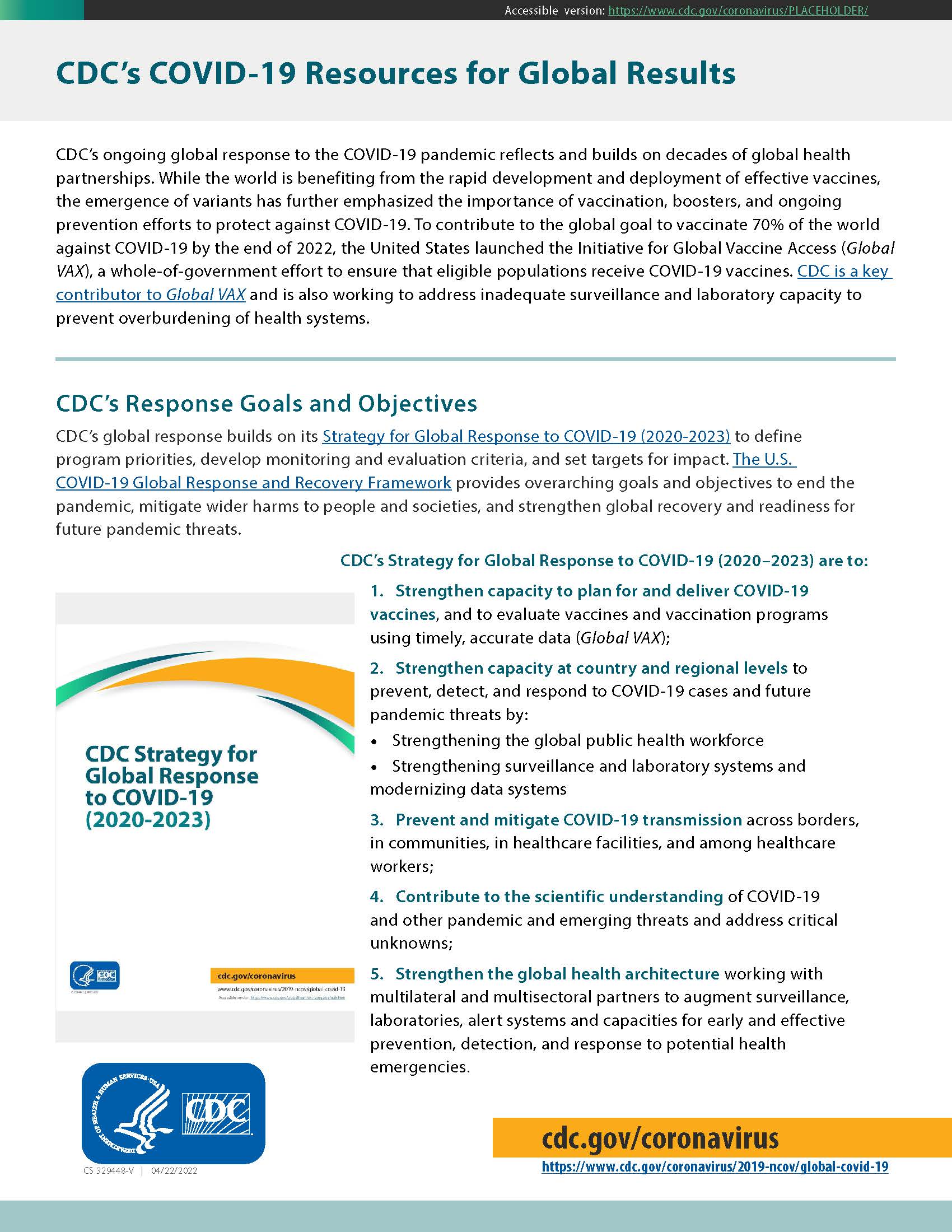
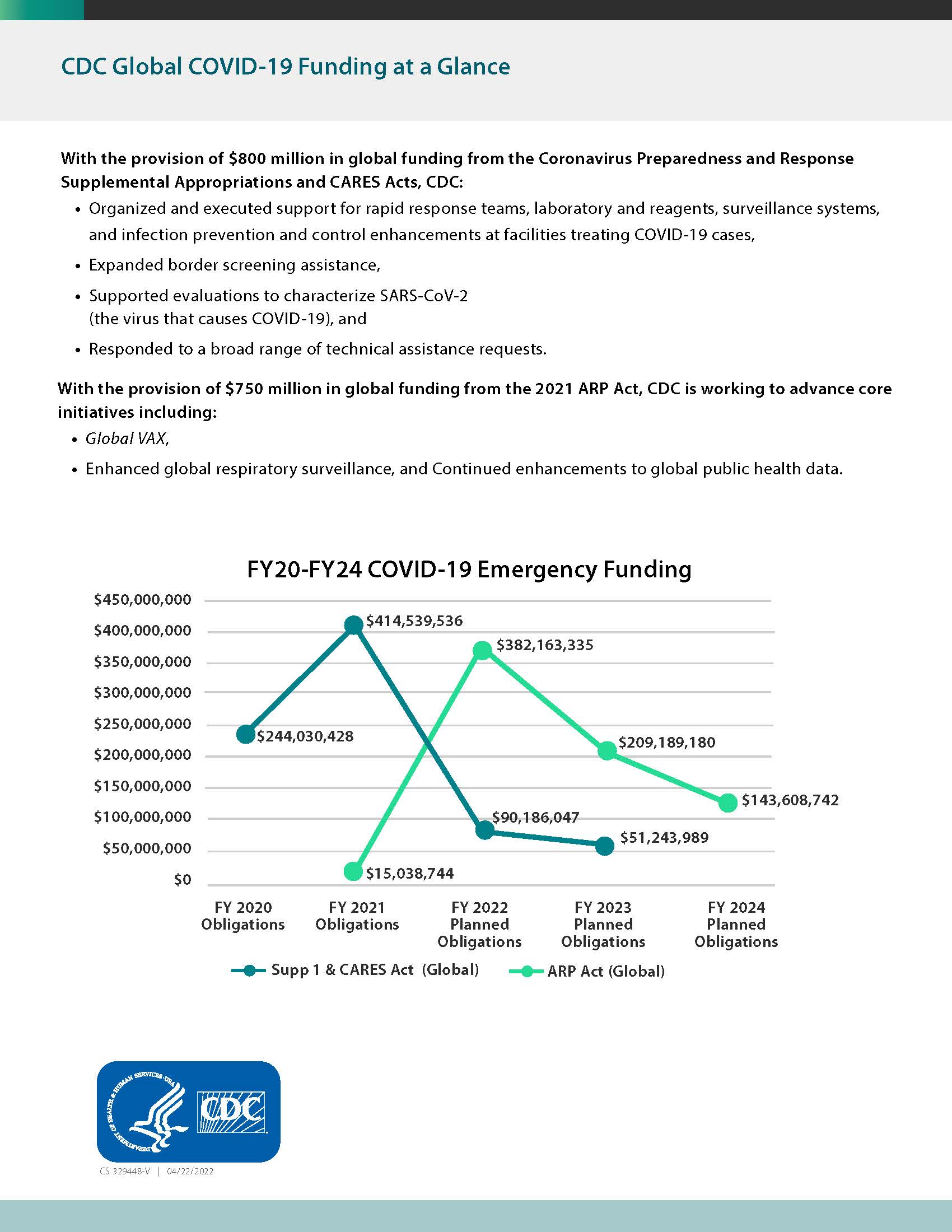
In addition to the long-form strategy document, I contributed to supporting fact-sheet layouts that used at-a-glance summaries, visual groupings, charts, and funding-focused content blocks. Together, these materials helped present CDC’s global COVID-19 response work in a format that felt credible, organized, stakeholder-ready, and suitable for print, PDF, and digital distribution.
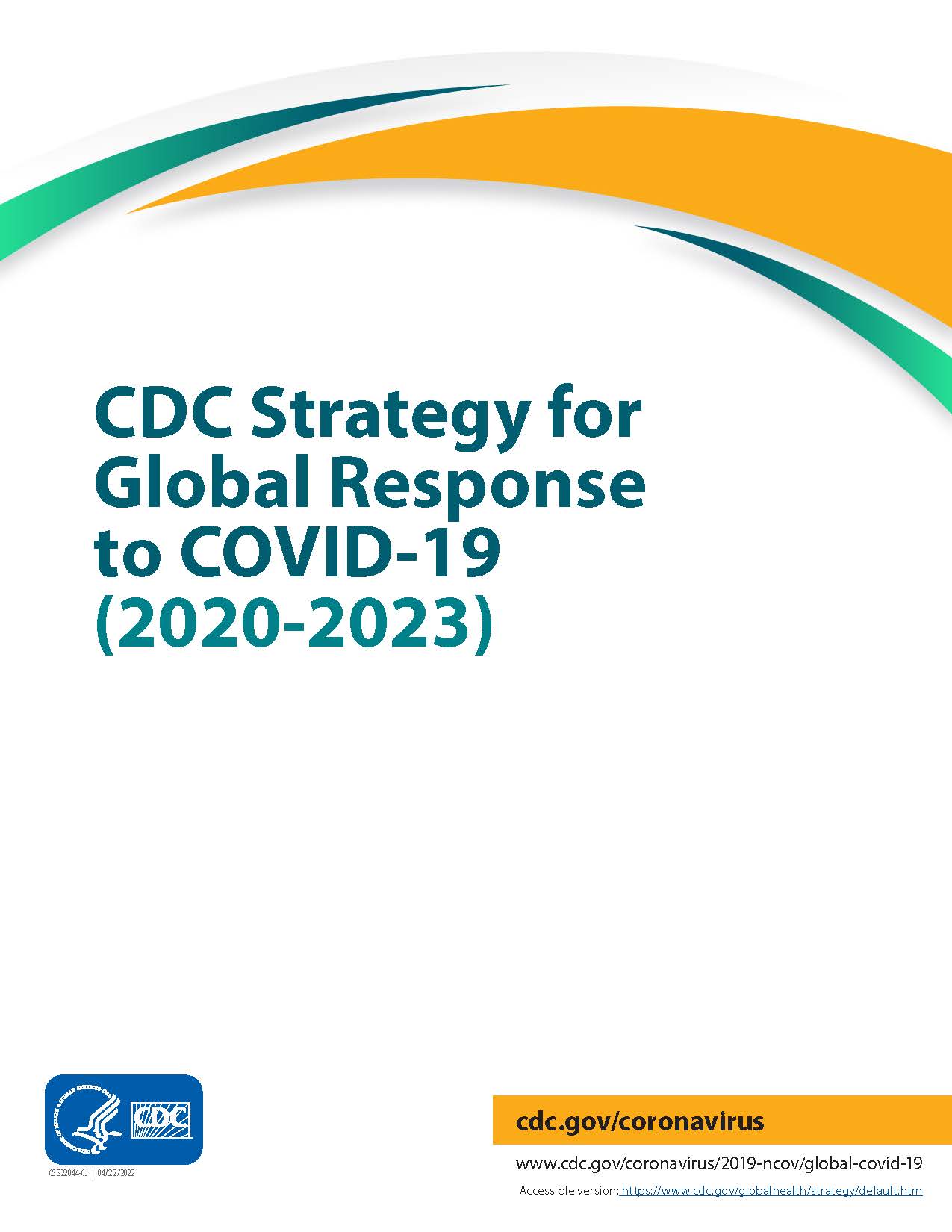
Consistent page architecture helped organize strategy content, principles, objectives, annex sections, and supporting details.
Short sections, strong headers, visual callouts, and predictable formatting helped readers find key information quickly.
Companion fact sheets used charts, grouped content, and labeled summaries to make global response information easier to understand.
The materials were designed for public-health leaders, partner agencies, ministries of health, global response teams, funding stakeholders, and audiences who needed to understand CDC’s role in the global COVID-19 response. Because these readers may engage with the documents at different levels of detail, the design needed to support both quick scanning and more focused review.
The primary communication goal was to make complex response strategy content feel organized, credible, and usable. I focused on creating a visual structure that could guide readers through strategic principles, objectives, activities, global response priorities, and funding details without overwhelming them with dense text.
The creative direction centered on clarity, authority, and restraint. Because the content addressed a serious global-health emergency, the publication needed to feel professional and credible while still being approachable enough for broad stakeholder use. I used clean page structure, consistent spacing, purposeful color accents, and disciplined typography to support the content instead of competing with it.
The publication strategy relied on modularity. Key content types such as strategic objectives, principles, activity lists, annex sections, and supporting references were treated as repeatable modules. This helped create visual continuity across the document and made it easier for readers to recognize patterns as they moved through the strategy.
I approached the strategy document as a long-form information system. The content included narrative context, principles, objectives, detailed activities, and annex material, so the layout needed to provide orientation at every stage.
The companion fact sheets required a faster, more executive-style design approach. Unlike the strategy document, these pages needed to communicate global response activities, funding priorities, and technical focus areas at a glance. I helped structure the content so charts, callouts, and short summaries could work together as a quick-reference communication tool.
The final set of materials created a more organized and visually consistent way to communicate CDC’s global COVID-19 response strategy and supporting funding information. The strategy publication provided a structured long-form reading experience, while the companion fact sheets made high-level results and resource details easier to scan and share.
From a design standpoint, the value is in how the materials make complex global-health content easier to navigate. The design system supports credibility, readability, and consistency across multiple document types while helping stakeholders understand both strategic direction and practical response details.